Buy exonumia.eu ?
We are moving the project
exonumia.eu .
Are you interested in purchasing the domain
exonumia.eu ?
domain@kv-gmbh.de · 0541-91531010
Buy exonumia.eu ?
Are wages liabilities?
Yes, wages are considered liabilities for a company because they represent an obligation to pay employees for their work. From an accounting perspective, wages are typically recorded as a liability on the company's balance sheet until they are paid to the employees. This reflects the company's obligation to fulfill its financial commitments to its employees. Therefore, wages are classified as a liability until they are settled. **
What are liabilities and receivables?
Liabilities are obligations or debts that a company owes to external parties, such as loans, accounts payable, or accrued expenses. They represent the company's financial responsibilities that must be settled in the future. Receivables, on the other hand, are amounts owed to a company by its customers or other parties for goods or services provided. They represent the company's right to receive payment and are considered assets on the company's balance sheet. Both liabilities and receivables are important components of a company's financial position and are crucial for assessing its overall financial health. **

Similar search terms for Liabilities
Top-Angebote
Products related to Liabilities:
-
Uplift Essentials 10Pcs Retro Pirate Coins Plastic Treasure Tokens For Parties & Halloween 10Pcs Retro Pirate Coins Plastic Treasure Tokens For Parties & HalloweenFuel exciting treasure hunts, piratethemed birthday games, and Halloween rewards with this 10piece retro pirate coin set. Designed with raised vintage embossing, including classic skullandcrossbones motifs and decorative treasury symbols, these...32,97 $*Shipping: 0,00 $Secure redirect to the provider
-
Snug & Styled Portable Waterproof Coin Storage Case For Game Tokens & Collectible Coins redBring order and protection to your valuable coin collection wherever you go. This coin storage case is designed for collectors, gamers, and hobbyists who want a simple way to keep coins, tokens, and game pieces safe from scratches, dust, and...37,97 $*Shipping: 0,00 $Secure redirect to the provider
-
Snug & Styled Chip Poker Chip Case Portable Chip Storage Box For Casino Game Tokens Red redKeep every game night organized with a durable Poker chip case designed to protect and neatly store up to 300 chips or game tokens. Whether you're a casual player, poker enthusiast, or board game collector, this compact chip storage box keeps your...34,97 $*Shipping: 0,00 $Secure redirect to the provider
-
Perfect Picks Market Challenge Coin Display Stand Set Adjustable Folding Coin Display Holder For Medals & Trading Cards Challenge Coin Display Stand Set Adjustable Folding Coin Display Holder For Medals & Trading CardsGive your treasured collectibles the presentation they deserve with this coin display holder set. Designed for collectors, veterans, hobbyists, and card enthusiasts, these compact stands securely showcase challenge coins, medals, trading cards, and...29,97 $*Shipping: 0,00 $Secure redirect to the provider



-
What are transitory assets and/or liabilities?
Transitory assets and/or liabilities are items on a company's balance sheet that are expected to be settled or used up within a relatively short period of time, typically within one year. These items are considered to be temporary in nature and are not expected to have a long-term impact on the company's financial position. Examples of transitory assets include cash, accounts receivable, and inventory, while examples of transitory liabilities include accounts payable and short-term debt. It is important for investors and analysts to understand the nature of these transitory items when evaluating a company's financial health and performance. **
-
Why is equity on the liabilities side?
Equity is placed on the liabilities side of the balance sheet because it represents the claims of the company's owners or shareholders on the company's assets. It is considered a liability because the company has an obligation to its owners to repay their investment in the business. However, unlike other liabilities, equity does not have a fixed repayment schedule and is considered a residual claim, meaning it is only paid out after all other liabilities have been settled. Therefore, equity is categorized as a liability on the balance sheet to accurately reflect the financial obligations of the company. **
-
How are the assets and liabilities evaluated?
Assets and liabilities are evaluated based on their current market value or book value. For assets, this means determining their fair market value, which is the price that they could be sold for in the current market. Liabilities are evaluated based on their current outstanding balance or the amount that is owed. This evaluation helps to determine the financial health and position of a company, as well as its ability to meet its financial obligations. **
-
What is a statement of assets and liabilities?
A statement of assets and liabilities is a financial document that provides a snapshot of an individual's or organization's financial position at a specific point in time. It lists all the assets, such as cash, investments, property, and equipment, as well as all the liabilities, such as loans, mortgages, and other debts. The statement helps to assess the overall financial health and solvency of the entity by comparing the total assets to the total liabilities. It is an essential tool for financial planning, decision-making, and assessing the ability to meet financial obligations. **


How can liabilities be settled in other ways?
Liabilities can be settled in other ways through various means such as debt restructuring, where the terms of the debt are renegotiated to make it more manageable for the debtor. Another way is through debt-for-equity swaps, where the creditor agrees to convert the debt into an ownership stake in the debtor's company. Additionally, liabilities can be settled through the sale of assets, where the debtor sells off assets to generate cash to pay off the liabilities. Finally, some liabilities can be settled through the issuance of new debt to replace the existing liabilities, known as refinancing. **
What is the difference between receivables and liabilities?
Receivables are amounts owed to a company by its customers or other parties for goods or services provided, while liabilities are obligations or debts that a company owes to its creditors or other parties. In other words, receivables represent money that is owed to the company, while liabilities represent money that the company owes to others. Receivables are considered assets on the company's balance sheet, while liabilities are recorded as obligations or debts. **
Top-Angebote
Products related to Liabilities:
-
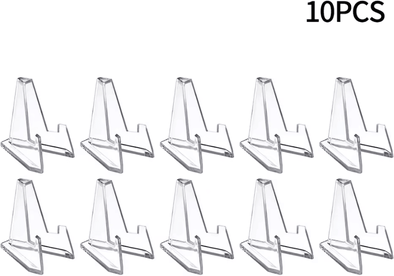
Uplift Picks 10 Piece Clear Acrylic Coin Display Stand Set For Cards Medals And Collectibles 10 Pcs lShowcase your favorite keepsakes with a clean, simple display that lets the item stand out. This acrylic coin display stand set is made for coins, medals, capsules, photos, trading cards, and small collectibles. The transparent design blends easily...72,98 $*Shipping: 0,00 $Secure redirect to the provider
-
Inspire Curations 10 Pack Acrylic Coin Display Stands Clear Challenge Coin Holders For Coins, Medals, Cards & Collectibles sShowcase your favorite collectibles with confidence using these crystalclear acrylic coin display stands. Designed to securely hold coins, medals, commemorative tokens, trading cards, photos, and other keepsakes, these transparent stands keep the...90,99 $*Shipping: 0,00 $Secure redirect to the provider
-
Uplift Essentials 10Pcs Retro Pirate Coins Plastic Treasure Tokens For Parties & Halloween 10Pcs Retro Pirate Coins Plastic Treasure Tokens For Parties & HalloweenFuel exciting treasure hunts, piratethemed birthday games, and Halloween rewards with this 10piece retro pirate coin set. Designed with raised vintage embossing, including classic skullandcrossbones motifs and decorative treasury symbols, these...32,97 $*Shipping: 0,00 $Secure redirect to the provider
-
Snug & Styled Portable Waterproof Coin Storage Case For Game Tokens & Collectible Coins redBring order and protection to your valuable coin collection wherever you go. This coin storage case is designed for collectors, gamers, and hobbyists who want a simple way to keep coins, tokens, and game pieces safe from scratches, dust, and...37,97 $*Shipping: 0,00 $Secure redirect to the provider
-
Are wages liabilities?
Yes, wages are considered liabilities for a company because they represent an obligation to pay employees for their work. From an accounting perspective, wages are typically recorded as a liability on the company's balance sheet until they are paid to the employees. This reflects the company's obligation to fulfill its financial commitments to its employees. Therefore, wages are classified as a liability until they are settled. **
-
What are liabilities and receivables?
Liabilities are obligations or debts that a company owes to external parties, such as loans, accounts payable, or accrued expenses. They represent the company's financial responsibilities that must be settled in the future. Receivables, on the other hand, are amounts owed to a company by its customers or other parties for goods or services provided. They represent the company's right to receive payment and are considered assets on the company's balance sheet. Both liabilities and receivables are important components of a company's financial position and are crucial for assessing its overall financial health. **
-
What are transitory assets and/or liabilities?
Transitory assets and/or liabilities are items on a company's balance sheet that are expected to be settled or used up within a relatively short period of time, typically within one year. These items are considered to be temporary in nature and are not expected to have a long-term impact on the company's financial position. Examples of transitory assets include cash, accounts receivable, and inventory, while examples of transitory liabilities include accounts payable and short-term debt. It is important for investors and analysts to understand the nature of these transitory items when evaluating a company's financial health and performance. **
-
Why is equity on the liabilities side?
Equity is placed on the liabilities side of the balance sheet because it represents the claims of the company's owners or shareholders on the company's assets. It is considered a liability because the company has an obligation to its owners to repay their investment in the business. However, unlike other liabilities, equity does not have a fixed repayment schedule and is considered a residual claim, meaning it is only paid out after all other liabilities have been settled. Therefore, equity is categorized as a liability on the balance sheet to accurately reflect the financial obligations of the company. **
Similar search terms for Liabilities
-
Snug & Styled Chip Poker Chip Case Portable Chip Storage Box For Casino Game Tokens Red redKeep every game night organized with a durable Poker chip case designed to protect and neatly store up to 300 chips or game tokens. Whether you're a casual player, poker enthusiast, or board game collector, this compact chip storage box keeps your...34,97 $*Shipping: 0,00 $Secure redirect to the provider
-
Perfect Picks Market Challenge Coin Display Stand Set Adjustable Folding Coin Display Holder For Medals & Trading Cards Challenge Coin Display Stand Set Adjustable Folding Coin Display Holder For Medals & Trading CardsGive your treasured collectibles the presentation they deserve with this coin display holder set. Designed for collectors, veterans, hobbyists, and card enthusiasts, these compact stands securely showcase challenge coins, medals, trading cards, and...29,97 $*Shipping: 0,00 $Secure redirect to the provider
-
Uplift Picks 10 Piece Clear Acrylic Coin Display Stand Set For Cards Medals And Collectibles 10 Pcs mShowcase your favorite keepsakes with a clean, simple display that lets the item stand out. This acrylic coin display stand set is made for coins, medals, capsules, photos, trading cards, and small collectibles. The transparent design blends easily...62,98 $*Shipping: 0,00 $Secure redirect to the provider
-
Inspire Curations 10 Pack Acrylic Coin Display Stands Clear Challenge Coin Holders For Coins, Medals, Cards & Collectibles lShowcase your favorite collectibles with confidence using these crystalclear acrylic coin display stands. Designed to securely hold coins, medals, commemorative tokens, trading cards, photos, and other keepsakes, these transparent stands keep the...189,99 $*Shipping: 0,00 $Secure redirect to the provider
-
How are the assets and liabilities evaluated?
Assets and liabilities are evaluated based on their current market value or book value. For assets, this means determining their fair market value, which is the price that they could be sold for in the current market. Liabilities are evaluated based on their current outstanding balance or the amount that is owed. This evaluation helps to determine the financial health and position of a company, as well as its ability to meet its financial obligations. **
-
What is a statement of assets and liabilities?
A statement of assets and liabilities is a financial document that provides a snapshot of an individual's or organization's financial position at a specific point in time. It lists all the assets, such as cash, investments, property, and equipment, as well as all the liabilities, such as loans, mortgages, and other debts. The statement helps to assess the overall financial health and solvency of the entity by comparing the total assets to the total liabilities. It is an essential tool for financial planning, decision-making, and assessing the ability to meet financial obligations. **
-
How can liabilities be settled in other ways?
Liabilities can be settled in other ways through various means such as debt restructuring, where the terms of the debt are renegotiated to make it more manageable for the debtor. Another way is through debt-for-equity swaps, where the creditor agrees to convert the debt into an ownership stake in the debtor's company. Additionally, liabilities can be settled through the sale of assets, where the debtor sells off assets to generate cash to pay off the liabilities. Finally, some liabilities can be settled through the issuance of new debt to replace the existing liabilities, known as refinancing. **
-
What is the difference between receivables and liabilities?
Receivables are amounts owed to a company by its customers or other parties for goods or services provided, while liabilities are obligations or debts that a company owes to its creditors or other parties. In other words, receivables represent money that is owed to the company, while liabilities represent money that the company owes to others. Receivables are considered assets on the company's balance sheet, while liabilities are recorded as obligations or debts. **
* All prices are inclusive of VAT and, if applicable, plus shipping costs. The offer information is based on the details provided by the respective shop and is updated through automated processes. Real-time updates do not occur, so deviations can occur in individual cases. ** Note: Parts of this content were created by AI.